

Why Children Bite and How to Gently Guide Them Towards Healthier Behaviours

Biting is a typical behaviour often seen in babies and young children. It’s a normal part of their development process, and as children grow, gain self-control, and develop problem-solving skills, they usually outgrow this behaviour. While not uncommon, biting can be an upsetting and unwanted behaviour, but it’s important to remember that it’s a phase that many children go through.
There are many reasons why babies and young children may bite:
What can help reduce a biting incident?
Make sure your child’s routines and transitions are predictable and consistent. At meals and bedtimes, try to do things in the same way and at the same times. Young children thrive when they know what will happen next.
Offer activities and materials that allow your child to relax and release tension. Some children like yoga or deep breathing. Offer playdough, foam balls, bubbles, soft music, and other stress-reducing items.
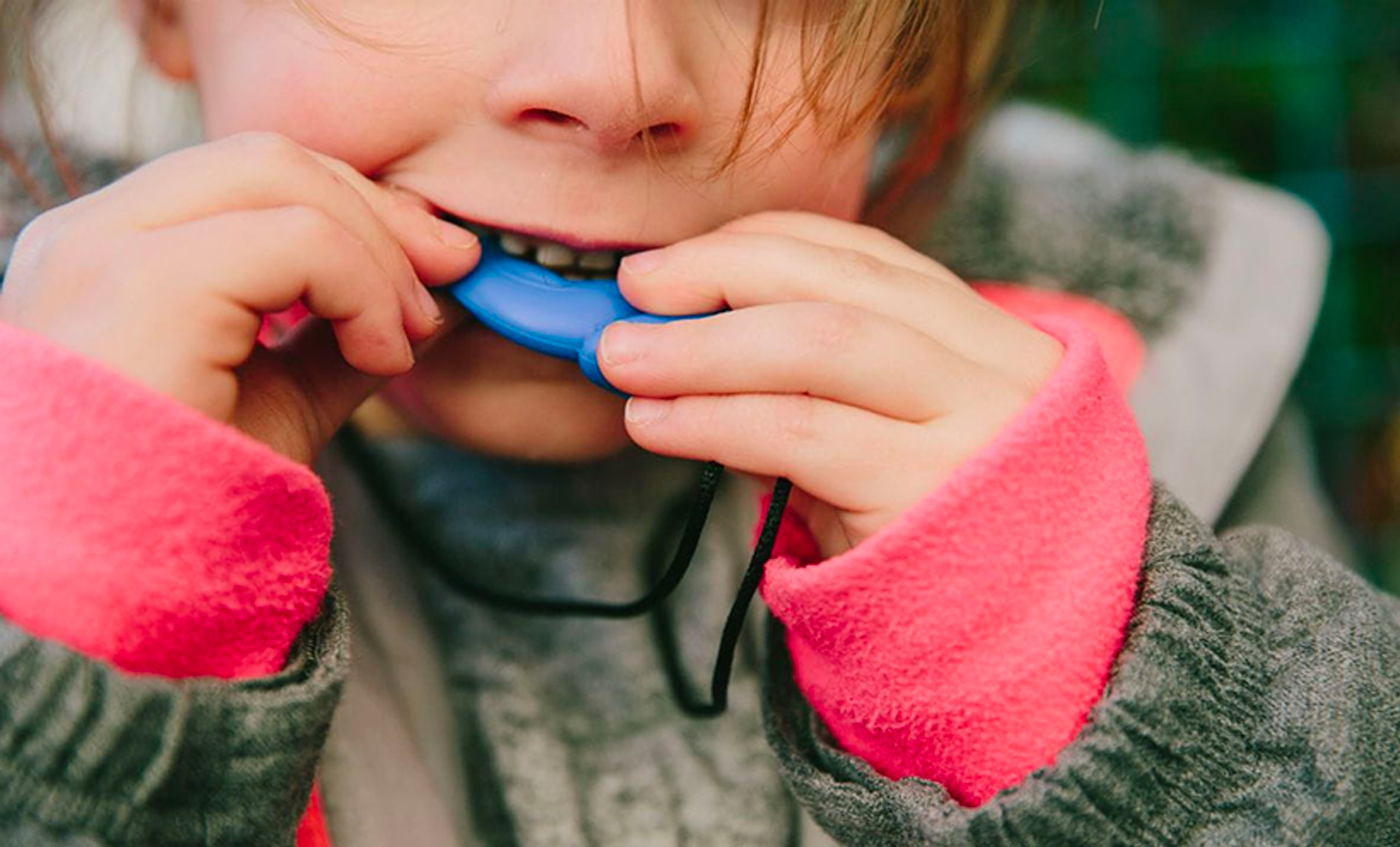
Provide items to bite, such as teething rings or teething toys. This helps children learn that they can bite safely without hurting anyone else.
It’s important to have age-appropriate expectations for your child’s behaviour based on their current skills and abilities. This understanding can help you guide your child through their development and manage their behaviour effectively.
Do you notice any consistent triggers? If so, can these triggers be eliminated?
Re-directing and distracting your child when you feel they are becoming overwhelmed.
Remember, avoiding giving too much attention to your child if they have bitten is a powerful strategy. While this is usually negative attention, it can still reinforce the behaviour. By minimising attention, you can effectively manage your child’s behaviour, empowering you as a parent.
If you have any questions, or need any guidance with biting, please speak with your child’s key person.