Understanding Sensory Processing Behaviours in Young Children
Exploring the World Through the Senses
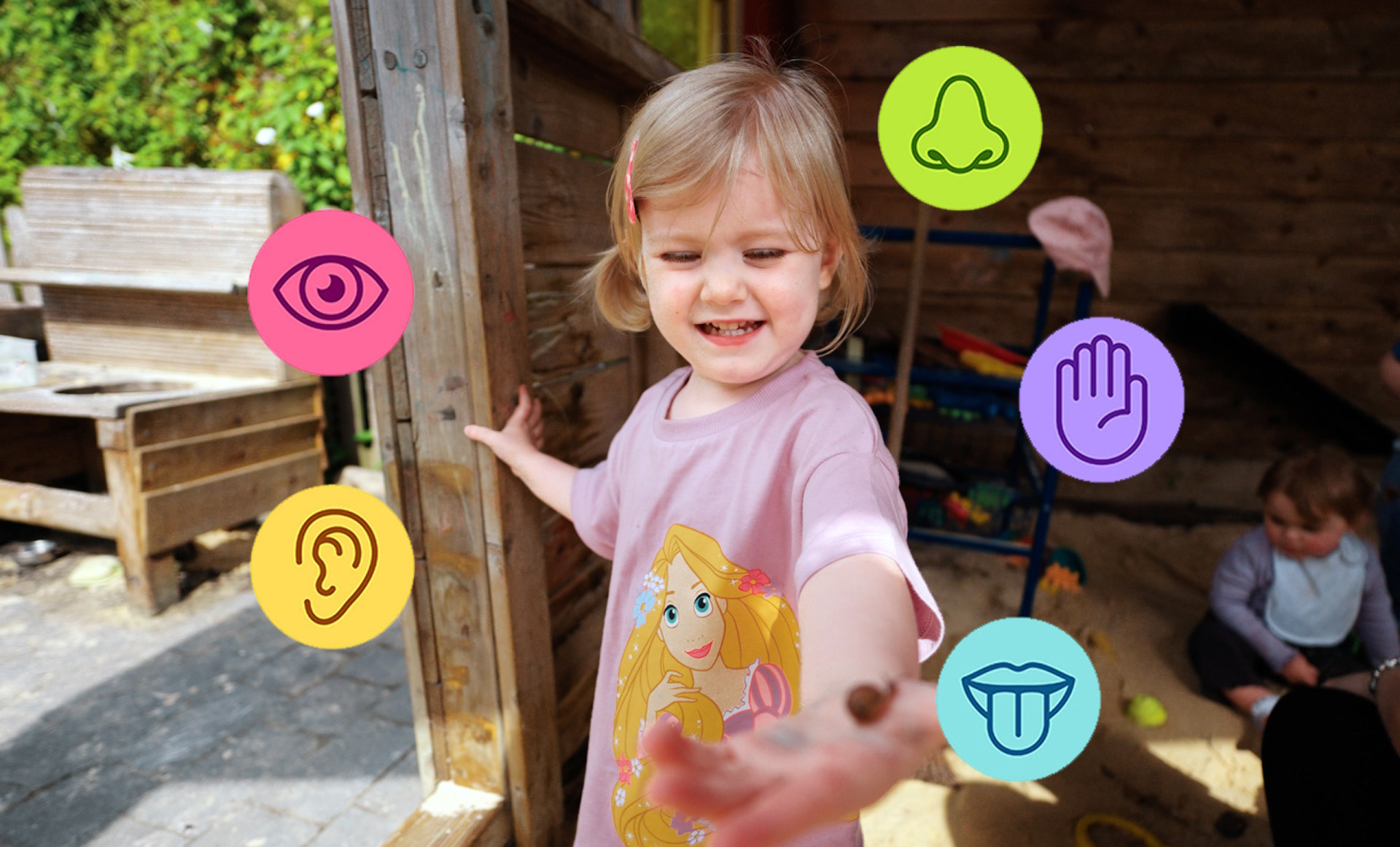
Do you notice your child bouncing endlessly on the sofa, or avoiding loud and busy spaces? These behaviours are linked to their sensory processing system — the way they take in and respond to the world through sight, sound, smell, taste, touch, and movement.
From the moment they’re born, children are natural explorers, using their senses to understand their surroundings. Every sound, movement, sight, smell, taste, and texture sends information to the brain for processing — and how that information is processed shapes their reactions and behaviours.
Many sensory behaviours appear during the first five years, and there are plenty of ways to spot them and support children as they explore safely.
What is sensory seeking?
Sensory seeking describes behaviours where children actively look for sensory experiences — whether that’s movement, textures, sounds, smells, or other stimulating sensations.
Spotting sensory seeking behaviours in your child:
Enjoys rich sensory play – often gravitates towards sand, water, playdough, and other messy materials. They might favour hands-on exploration instead of tools like paintbrushes, and sometimes even like to get right into the water themselves.
Always on the move – has a real enthusiasm for running, jumping, and spinning, and may find it tricky to stay still for long stretches of time.
High energy levels – thrives on physical activity, finds it challenging to maintain focus during quiet time, and prefers active play indoors and outdoors.
Activities to support sensory seeking behaviours:
Rhythmical movements – spinning games, rolling on a gym ball, swinging.
Action songs – “Head, Shoulders, Knees and Toes,” “The Grand Old Duke of York.”
Impact activities – trampolining, hopscotch, jumping onto mats, ball games.
Rough and tumble play – obstacle courses, tunnels, space hoppers.
Hand activities – squeezing playdough, whisking, textured writing.
Oral motor activities – sucking through a straw, blowing bubbles or instruments.
Messy play – water trays, sensory bins, clay, wet or dry food play.
Pre-activity movement breaks – running or jumping before a sit-down activity like lunch or storytime.
What is sensory avoidance?
Some children show sensory avoidance behaviours, withdrawing from sensations they find overwhelming or uncomfortable.
Signs your child might be avoiding certain sensory experiences:
Easily unsettled by sensory input – loud noises, strong smells, or particular textures can feel overwhelming.
Drawn to calm spaces – tends to seek out quieter, more peaceful spots away from busy areas.
Fussy about clothing – may dislike certain fabrics, scratchy labels, or the feeling of wet sleeves.
Sensitive to light – prefers softer lighting and may shy away from bright or glaring spaces.
Cautious in new places – takes time to feel comfortable in unfamiliar settings.
Ways to help a sensory-avoidant child feel more comfortable:
Give them choices – for example, let them pick between different clothing options or materials so they feel in control of what they wear or touch.
Calm activities – massages, bear hugs, soft music.
Noise strategies – teach phrases or signals to communicate discomfort; provide safe spaces or ear defenders.
Self-care adjustments – offer different brushes for hair or teeth; give advance warnings before routines.
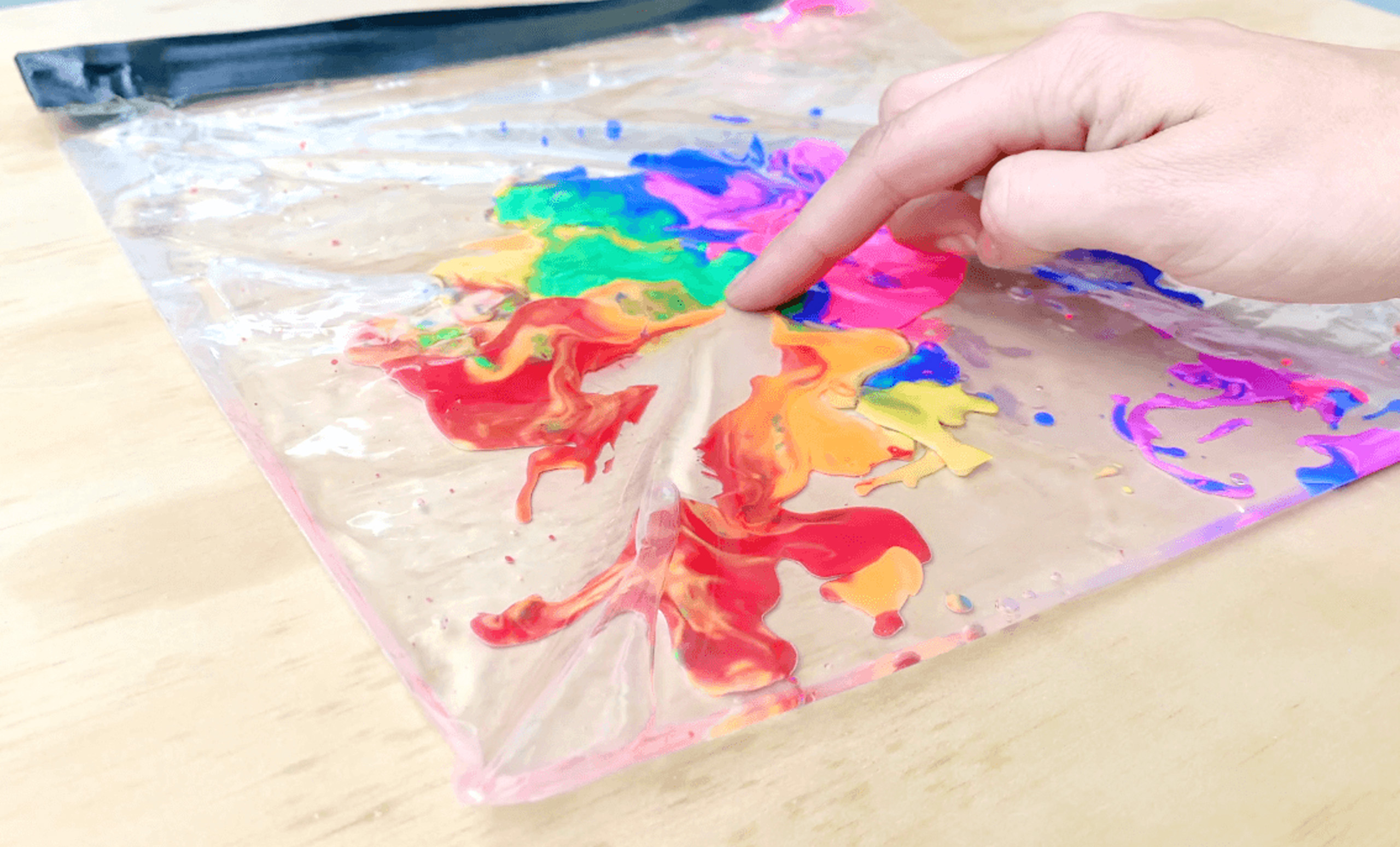
Texture introduction – start with enclosed textures (e.g. in a zip-lock bag), then spoons/tongs, gradually moving to hands, always allowing hand washing after.
When to Seek Further Support
If your child’s sensory behaviours are affecting their daily routines, speak with your setting’s SENDCo. They can use sensory checklists, create personalised sensory diets, and connect you with outside professionals for tailored advice.
Reference: Thames Valley Stronger Practice Hub.