

How Creative Play Supports Early Brain Development
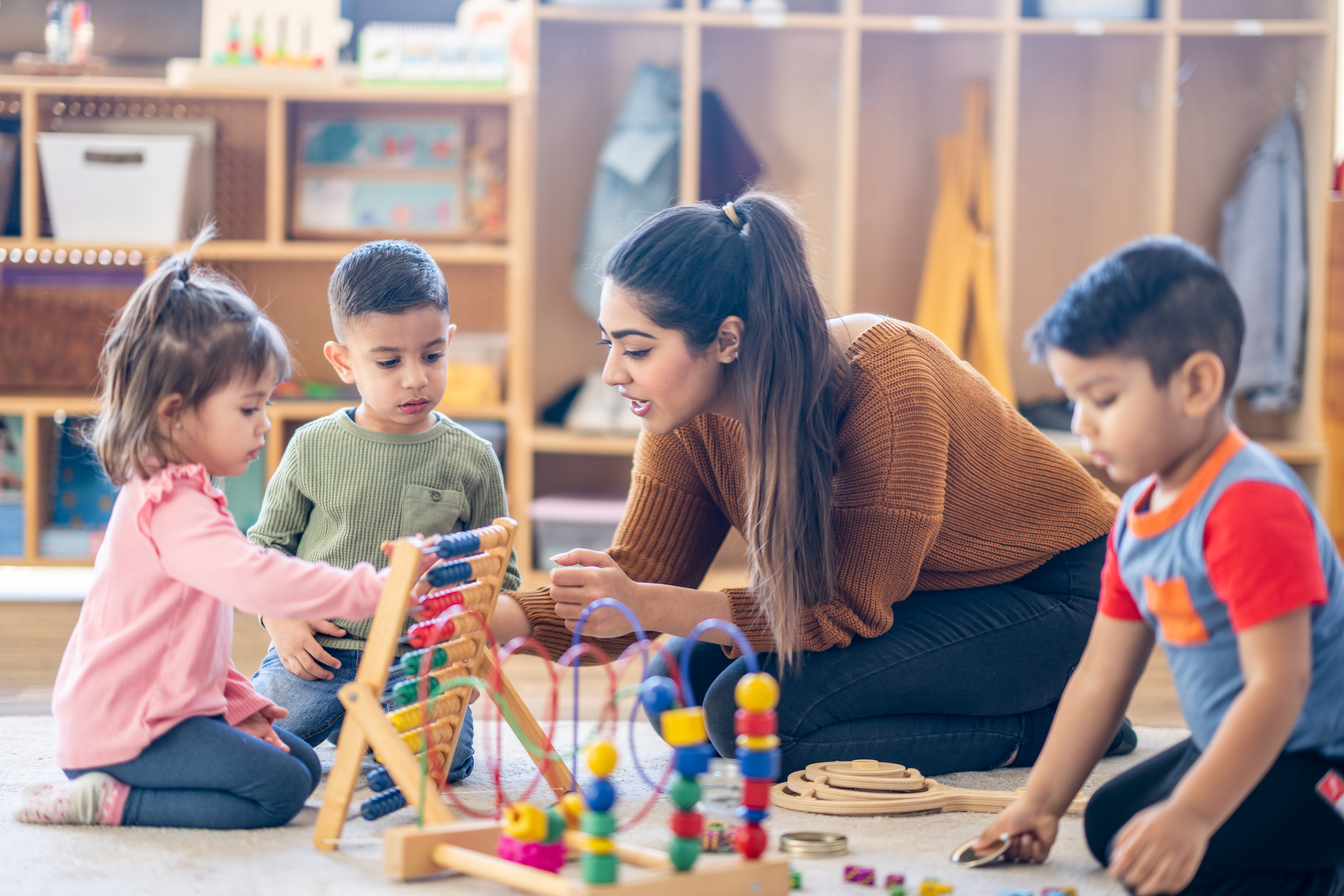
In the early years of life, a child’s brain develops at an extraordinary pace. Every experience, sound, movement and interaction helps to build important neural connections. One of the most powerful ways to support this development is through creative play.
Creative play is not about producing a perfect picture or building something “right”. It is about exploration, imagination and self-expression. Whether children are painting, role-playing in a home corner, building with blocks or creating stories, they are strengthening essential areas of the brain that form the foundation for lifelong learning.
Building Strong Neural Connections
During the first five years, the brain forms millions of neural pathways. Creative play strengthens these pathways by encouraging children to think, problem-solve and experiment.
When a child mixes colours to see what happens, they are exploring cause and effect. When they build a tower and it falls, they are learning resilience and spatial awareness. When they engage in imaginative role play, they develop memory, sequencing and language skills.
These playful moments may look simple, but they are laying the groundwork for future skills in reading, writing, maths and critical thinking.
Supporting Communication and Language
Creative play naturally encourages conversation. Children narrate their play, negotiate roles with friends and describe their creations. This constant use of language supports vocabulary growth, sentence formation and listening skills.
Storytelling, singing, small world play and puppet activities all stimulate areas of the brain linked to communication. By engaging in rich conversations during play, adults can extend children’s thinking and introduce new words in meaningful ways.
At The Mulberry Bush, we weave opportunities for imaginative and expressive play into everyday nursery life, knowing that these shared experiences help children build confidence in communicating their ideas.
Developing Emotional Intelligence
Brain development is not just about cognitive skills. Emotional regulation and social understanding are equally important.
Through creative play, children safely explore feelings and experiences. Role play allows them to act out real-life situations, helping them process emotions and develop empathy. Art and music offer healthy outlets for self-expression, supporting emotional wellbeing.
When children feel safe to explore creatively, they build confidence and independence – both key elements in healthy brain development.
Encouraging Problem-Solving and Independence
Open-ended materials such as loose parts, construction resources and natural objects encourage children to think creatively. There is no single outcome, which means children must make decisions, test ideas and adapt their approach.
This kind of thinking strengthens executive functioning skills, including attention, planning and flexible thinking. These skills are essential for school readiness and long-term success.
Across our nurseries, including our settings in Locks Heath, Bitterne Park, Waterlooville, Hedge End and Eastleigh, we create environments rich in open-ended resources, cosy spaces and inspiring areas where creativity can flourish.
Supporting Your Child’s Development
You do not need elaborate materials to encourage creative play at home. Simple activities such as drawing, den building, dancing, storytelling or exploring nature can all stimulate brain development.
The most important ingredient is time – time to explore, imagine and create without pressure or expectation.
If you would like to see how we nurture creativity and support early brain development in our warm, play-based environments, we would love to welcome you for a visit. Get in touch to book a personalised tour and discover how your child’s learning journey can begin with curiosity, confidence and creativity.