


A Parents Guide to Supporting Smooth Transitions for Young Children: From Daily Routines to Major Milestones
Children go through various transitions throughout their early years – some are daily transitions, such as moving from playtime to lunchtime; some are milestone transitions, such as toilet training, and others are more long-term transitions, such as moving rooms within a nursery or the birth of a new sibling.
All children will cope with transitions differently; some will find specific transitions more challenging than others. There is no ‘one size fits all’ approach to managing transitions, and so, with any transition, it is essential to see it as a process rather than just an event.
At nursery, your child’s key person will support your child through any transition they are experiencing, but how can you help your child with transitions at home?
1. Routine
A consistent routine provides stability and predictability, which can help reduce anxiety and uncertainty. Knowing what to expect each day can help children feel more secure and confident, even during times of change. Creating a routine doesn’t mean every minute of the day must be planned. Instead, it means establishing a general structure and sticking to it as much as possible. For example, you might establish a morning routine that includes waking up at the same time each day, eating breakfast together, getting dressed, and packing their nursery bag.
2. Express emotions
Children need to be able to express their emotions when facing a transition – this may be through verbal or physical expression, or both, but giving young children the reassurance they need to express themselves can help create a ‘safe space’ for them. During this time, physical reassurance, such as cuddles, can help them feel secure. If able, your child may want to talk to you about how they are feeling, and you may be able to share examples of when you have felt similar emotions.
3. Communicate
Clear communication is a key aspect of helping children cope with transitions. It helps children understand what is happening, why it is happening, and what they can expect. More importantly, it builds trust between the child and the caregiver, which is essential for helping the child feel safe and secure during times of change. Some children may need more visual communication such as flash cards to support their understanding, and your ability to provide this can make a significant difference in their coping process.
4. Offering choice
Offering young children age-appropriate choices is a powerful way to help children cope with transitions. It gives them a sense of control and independence, which can help them feel more empowered and less anxious about the changes they are experiencing. This doesn’t mean children having choices over every aspect of the day, but more age and stage related choices. For example, a choice between two tops or what bag to use can make a significant difference in how they perceive and adapt to the transition.
5. Books
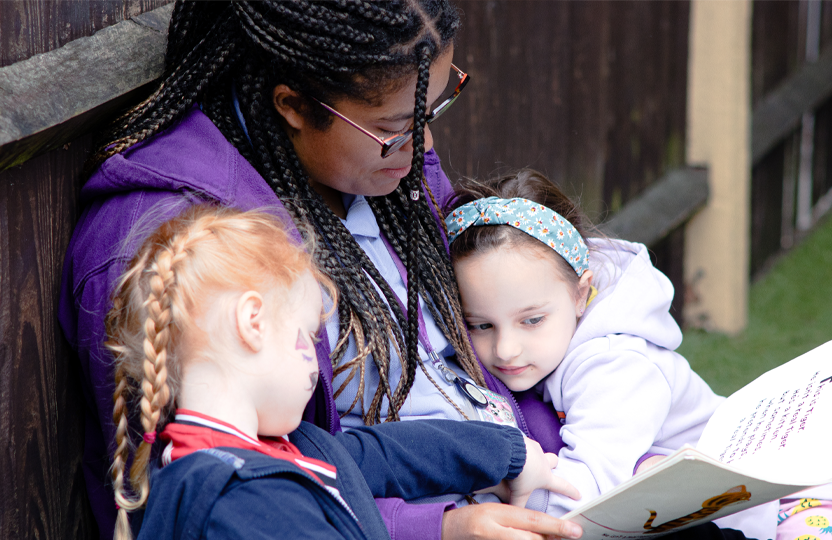
Books about changes and transitions are a great way to help children understand what is happening to them and around them. Reading story books to help children cope with change can offer reassurance that change is ok. It may help start conversations about how children are feeling and encourage them to ask questions and share their thoughts (if they are at this developmental stage).
If you would like any further support with transitions your child may be experiencing, please speak with your child’s key person.